
Just as the internet revolutionized communication and access to information, the rise of distributed web technologies is reshaping how you interact with online services. Edge computing is bringing data processing closer to your devices, enhancing performance, reducing latency, and increasing security. This shift not only alters how content is delivered but also empowers you to take advantage of smarter, more efficient applications. Understanding this transformation will help you navigate the evolving digital landscape and harness the benefits of a decentralized internet.
The Paradigm Shift: Moving Away from Centralized Models
The transition to distributed models represents a fundamental change in how you interact with the web. Centralized systems have long dominated, with their reliance on a few powerful data centers creating bottlenecks and vulnerabilities. Now, the growth of edge computing allows data to be processed closer to where it’s generated, enhancing speed and reliability. This shift not only improves user experiences but also democratizes data management, reducing the control held by a small number of organizations.
The Limitations of Traditional Data Centers
Traditional data centers struggle to keep pace with the demands of modern web applications due to their centralized nature. Latency becomes a significant issue, as data must travel long distances, leading to slower response times. Additionally, these facilities are prone to single points of failure, making them less resilient in the face of outages or cyberattacks. Scaling such systems to meet growing demand often involves substantial costs and logistical challenges, creating further obstacles in an era defined by instant connectivity.
Economic Factors Driving the Shift to Distributed Systems
Economic incentives are at the heart of the shift towards distributed systems, as businesses seek to maximize efficiency and reduce costs. The rise of IoT devices generates vast amounts of data that traditional data centers are ill-equipped to handle. By processing information closer to the source, companies save on bandwidth costs and improve their operational agility. Furthermore, as edge infrastructure becomes increasingly affordable, the financial viability of maintaining a decentralized network grows, encouraging you to explore these innovative solutions.
- Cost savings from reduced bandwidth usage
- Increased efficiency in data processing
- Scalability with lower capital expenditure
- Faster deployment of applications and services
- Recognizing the advantages enhances your competitive edge.
Exploring further, the economic advantages of distributed systems offer compelling reasons for your organization to adapt. As cloud services often entail significant ongoing costs, transitioning to edge computing can lead to substantial savings. This model allows you to allocate resources more effectively, streamline operations, and respond to customer needs with unprecedented speed. The scalability of distributed systems enables small and medium enterprises to compete with larger corporations, leveling the playing field in various industries.
- Increased agility in responding to market demands
- Minimized latency improves customer satisfaction
- Greater resilience against disruptions
- Lower infrastructure maintenance costs
- Recognizing these trends positions you for future success.
Understanding Edge Computing: The New Cornerstone of the Internet
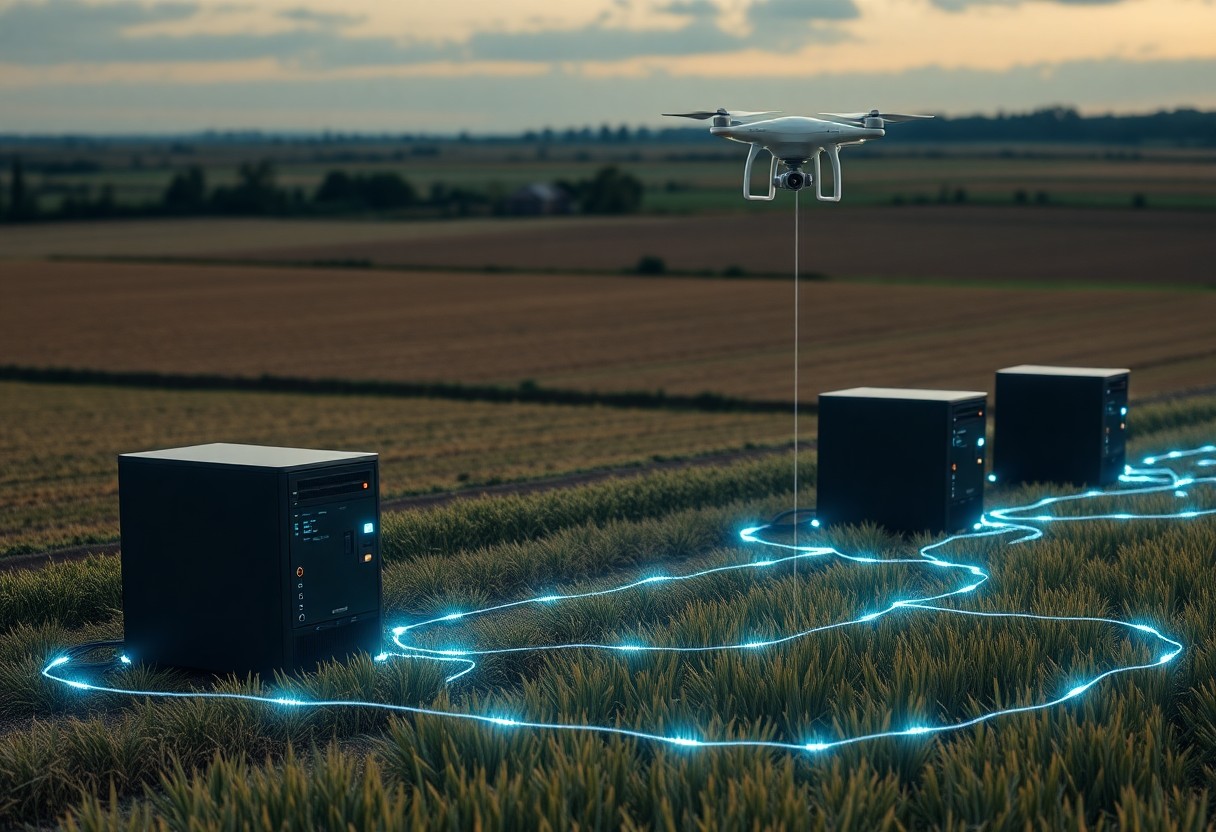
Edge computing is reshaping the digital landscape by bringing processing power closer to the data source. By enabling computations to occur at the network’s edge rather than relying solely on centralized cloud data centers, you benefit from reduced latency and improved responsiveness. This shift enhances your ability to process vast amounts of data in real-time, paving the way for innovative applications and services that can operate more efficiently.
Defining Edge Computing and Its Key Components
Edge computing involves decentralized processing, leveraging local data centers or devices such as IoT sensors and gateways to handle data near its origin. Key components include edge devices that capture data, edge nodes that process information, and a network that facilitates communication among them. This architecture allows for data to be processed and analyzed quickly, minimizing delays associated with transmitting data to remote locations.
How Edge Computing Enhances Performance and Efficiency
By minimizing the distance data must travel, edge computing significantly reduces latency, resulting in faster data processing. Your applications can react in real-time, which is especially vital for use cases like autonomous vehicles or smart factories. As a result, you can achieve higher throughput and a more seamless user experience when interacting with technology. Furthermore, edge computing optimizes bandwidth usage, decreasing costs associated with data transmission and storage, making it a more sustainable approach.
For instance, a study from the Edge Computing Consortium revealed that implementing edge computing can decrease latency by 60-80% in various applications, substantially improving the speed at which data is processed and acted upon. This capability not only enhances user experience but also allows businesses to make instantaneous decisions based on real-time data analysis. As sectors like healthcare utilize edge computing for patient monitoring or diagnostics, the reliance on instantaneous data translates into better patient outcomes and operational efficiency.
Real-World Applications: Transforming Industries with Edge Technology
Edge computing is redefining how various sectors operate, enabling businesses to harness data closer to its source for faster decision-making and enhanced efficiency. From manufacturing to retail, organizations leverage localized data processing to streamline operations, drive innovation, and improve customer experiences. This technology empowers real-time analytics, which is transforming standard practices and ushering in new business models across multiple industries.
Smarter Cities: IoT Integration and Urban Planning
Integrating IoT devices with edge computing capabilities allows cities to manage resources effectively, enhancing urban planning and optimizing traffic flow. Sensors can provide real-time data on public transport, energy consumption, and waste management, enabling local governments to make informed decisions that improve residents’ quality of life. This transformation encourages sustainability and enhances connectivity within urban environments.
Healthcare Innovations: Real-Time Data Processing and Remote Monitoring
In the healthcare sector, edge technology streamlines real-time data processing, enabling remote patient monitoring and proactive care. You benefit from immediate access to critical health data, leading to faster diagnoses and treatments. This innovation reduces hospital visits and enhances patient outcomes through consistent monitoring and timely interventions by healthcare professionals.
Real-time data processing at the edge not only accelerates responses to critical conditions but also facilitates telemedicine, allowing healthcare providers to support more patients with personalized care plans. Wearable devices and home monitoring systems collect vital signs and health metrics, transmitting this data instantaneously to care teams. For instance, systems like Philips’ HealthSuite or Apple’s HealthKit harness edge computing to analyze patient data and flag anomalies, significantly improving preventative care and operational efficiency. As more healthcare facilities adopt this technology, you can expect enhanced patient experiences and reduced costs while advancing overall health management strategies.
Security in a Distributed Era: Balancing Accessibility and Protection
As you navigate the complexities of the distributed web, ensuring security while maintaining accessibility becomes paramount. The decentralized nature of edge computing networks introduces unique vulnerabilities that can be exploited if adequate measures aren’t in place. Striking the right balance is vital for fostering user trust without sacrificing the performance benefits that distributed systems offer.
The Risks of Decentralized Networks
Decentralized networks inherently expose you to various risks, including increased attack surfaces and data fragmentation. Without a central authority to enforce security protocols, threats such as unauthorized access and data breaches become more prevalent. The challenge lies in managing these vulnerabilities while keeping systems flexible and user-friendly.
Strategies for Enhancing Cybersecurity in Edge Environments
Implementing robust cybersecurity strategies in edge environments requires a multi-layered approach. You should consider utilizing encryption for data in transit and at rest, employing advanced threat detection systems, and ensuring regular software updates. Engaging in continuous monitoring also helps identify potential risks before they can be exploited.
Additional strategies include adopting zero-trust architectures and segmenting network access to minimize the potential impact of breaches. Incorporating machine learning algorithms can enhance anomaly detection, allowing for quicker responses to threats. Regular training and awareness programs for users contribute to a culture of security, empowering everyone to recognize potential vulnerabilities within their operating environment. By implementing these tactics, you can significantly bolster your defenses against the diverse array of threats faced in a distributed web landscape.
The Future of Connectivity: 5G and Beyond
The advent of 5G technology marks a transformative leap in connectivity, promising to redefine how devices communicate, process, and share data. With ultra-low latency and speeds reaching 10 Gbps, applications ranging from autonomous vehicles to augmented reality will thrive, enabling seamless interactions and real-time processing. As you leverage these advancements, expect a paradigm shift in how industries operate, paving the way for smarter cities and enhanced personal experiences.
How 5G Fuels the Growth of Edge Computing
5G networks significantly enhance edge computing by facilitating rapid data transmission between devices and local computing resources. This synergy minimizes reliance on centralized servers, allowing your applications to process data closer to the source. Consequently, you experience faster response times, reduced bandwidth costs, and improved reliability, which are critical for applications like IoT, real-time analytics, and smart infrastructure.
Predictions for the Next Decade in Internet Architecture
Over the next decade, internet architecture will evolve to support dynamic, decentralized frameworks driven by edge computing and 5G integration. Expect a proliferation of edge nodes and micro data centers strategically positioned to optimize data flow, reduce latency, and enhance user experiences. With AI and machine learning at the core, your applications will become increasingly responsive and adaptive, reshaping how businesses leverage data analytics and resource management. Innovations like network slicing will allow tailored connectivity solutions, enabling diverse applications to coexist seamlessly on the same network infrastructure.
Summing up
The rise of the distributed web, driven by edge computing, is reshaping how you interact with the Internet. By moving data processing closer to your location, it enhances performance, reduces latency, and increases reliability. As you embrace these advancements, you’ll experience a faster and more efficient online experience, empowering your applications and services. This shift not only optimizes resource use but also facilitates innovation, ultimately transforming your digital landscape for the better.