
Monetize with Motion - Eternitech's Motion UI and UX Services
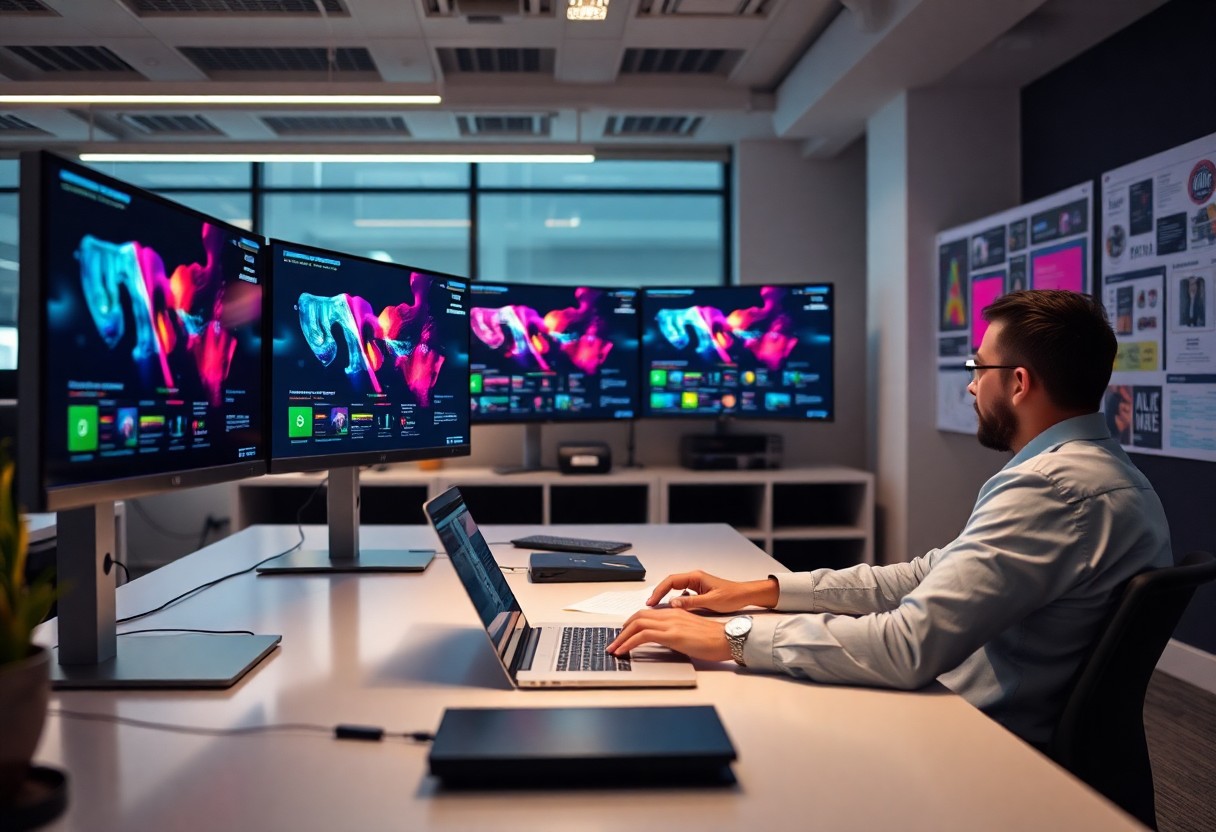
Motion design can elevate your digital experience by engaging users and enhancing usability, paving the way for effective monetization strategies. By leveraging Eternitech's Motion UI and UX services, you can create dynamic and visually appealing interfaces that not only capture your audience's attention but also encourage interaction. Explore how these innovative design solutions can help you maximize your revenue potential and foster a deeper connection with your users, ultimately leading to greater success in your business endeavors.
UX design plays a pivotal role in enhancing user engagement and ultimately driving conversions. By leveraging Eternitech's Motion UI and UX services, you can transform your digital interfaces into dynamic experiences that captivate your audience and increase your revenue potential. With a focus on animation and thoughtful design, you can create interactions that not only attract users but also guide them seamlessly through your digital ecosystem. Discover how to elevate your platform and monetize effectively with motion-driven strategies.
Crafting Engaging Interfaces: The Art and Science of Motion Design
Your interfaces can become significantly more captivating through the strategic integration of motion design. By utilizing dynamic elements, you can guide user attention, create a sense of hierarchy, and establish brand identity. The art of motion design is not merely aesthetic; it combines technical skill with an understanding of user interaction to create seamless, enjoyable experiences that keep users engaged. Elevating your UI with thoughtful animations can lead to increased user satisfaction and ultimately drive your business goals.
The Psychology of Motion in User Experience
Understanding the psychology behind motion design can profoundly enhance user experience. Motion naturally attracts attention and can influence emotions, feelings, and perceptions. For instance, subtle animations can create a sense of belonging, while smooth transitions can reduce cognitive load, allowing users to navigate your interface intuitively. When you leverage these psychological principles, you empower your users to feel more connected to your brand and increase overall engagement with your digital product.
Essential Principles of Motion in UI Design
Your interface design can benefit immensely from adhering to imperative principles of motion. Key elements such as timing, easing, and purpose guide the effective use of motion. Employing principles like these can transform an ordinary user experience into a fluid and dynamic interaction sequence. Effective motion design anticipates user behavior, providing feedback that reinforces your interface's functionality while enhancing aesthetic appreciation. This attention to detail ensures your design is not only visually appealing but also functionally robust.
Focusing on timing allows you to dictate how long an animation or transition lasts, establishing rhythm and pacing in your interface. Easing refers to the acceleration and deceleration of motion, creating a sense of realism and fluidity that mirrors the natural movement of objects. Purpose is about ensuring each motion carries significance, serving to inform users rather than distract them. For instance, a well-timed button hover effect can confirm interactions, while a loading animation may soothe waiting users, effectively enhancing their experience. By aligning these principles with your design philosophy, you can craft engaging and user-friendly interfaces that resonate with your audience.
Harnessing the Power of Motion Design
Incorporating motion design into your user interface can transform passive interactions into captivating experiences. By seamlessly integrating movement into your designs, you create a dynamic visual flow that guides users through your application or website. This sense of fluidity not only makes navigation intuitive but also keeps your audience engaged, ultimately impacting your bottom line. The subtle nuances of motion can communicate functionality, draw attention to important elements, and enhance storytelling, ensuring that users remain connected to your brand.
The Psychological Impact of Motion in Interfaces
Motion design provokes emotional responses by adding depth to static elements, creating a more immersive experience. Your brain processes motion quickly, which can lead to immediate emotional reactions, increasing users' likelihood to engage with your content. For example, a gentle transition or animated feedback creates a satisfying response when interacting with buttons or features, making users feel more connected and invested in the experience. This psychological impact serves to strengthen brand loyalty and user retention.
The Role of Animation in User Engagement
Animation serves as a powerful tool for enhancing user engagement by adding a layer of interactivity that captures attention. It allows complex ideas to be communicated quickly, instilling clarity. For instance, a well-executed loading animation can keep users informed and patient while content is being processed. Research has shown that interfaces with engaging animations can increase user retention rates by up to 30%, as users are more likely to return to an experience that captivated them from the outset. When you thoughtfully incorporate animation, you foster an engaging environment where users want to spend more time.
Monetization Strategies: Leveraging Motion for Business Growth
Utilizing motion design in your digital products can directly correlate to increased revenue. By implementing engaging animations and interactive elements, you can entice users to spend more time on your platform, increasing the likelihood of purchasing decisions. Personalized experiences driven by motion can transform user interactions into not just mere engagement but tangible financial outcomes—a win-win for your business growth strategy.
Enhanced User Engagement and Retention
Incorporating motion into your user interface significantly enhances engagement and retention rates. Animations that provide feedback, guide users through processes, or offer delightful surprises encourage interaction and keep users coming back, fostering loyalty to your brand. The more intuitive and engaging your product feels, the greater chance you'll have to convert casual users into long-term customers.
Converting Interactivity into Revenue Streams
Transforming user interactions into revenue requires a sharp focus on how your animation enhances user experience. By offering features like gamified elements, tailored recommendations, and promotional animations, you can guide users toward making purchases seamlessly. For instance, an e-commerce site can use smooth transitions and animated cart confirmations to create urgency, driving impulse buys and increasing average order value.
Effective interactivity can be achieved by leveraging gamification techniques, where points and rewards systems can encourage users to engage more with your content. For example, offering animated badges as rewards for completing certain actions can motivate users to explore your platform further. By pairing these interactive features with exclusive offers or upselling prompts, you can create persistent pathways toward increased sales, ensuring that every animated moment has the potential to generate revenue for your business.

Crafting Seamless User Experiences
Creating a seamless user experience involves harmonizing usability and aesthetics while leveraging motion design to guide users effortlessly through your application. Thoughtful integration of motion can offer visual cues that enhance understanding and retention. By using transitions, animations, and micro-interactions intentionally, you can ensure your users feel in control and engaged. The result is a fluid experience that allows users to navigate effortlessly, increasing satisfaction and retention rates significantly.
Principles of Effective Motion UI
Effective motion UI prioritizes clarity, alignment with user expectations, and relevance to the task at hand. Every animation should serve a purpose, whether it's enhancing comprehension, providing feedback, or easing transitions. Subtlety is key; over-the-top animations can become distracting rather than helpful. Aligning your motion design principles with user-centered design can lead to an engaging, enjoyable experience that resonates with your audience.
Integrating Motion into User Flows
Integration of motion into user flows can elevate user experience dramatically by providing intuitive signals that guide users through processes. For example, a simple button click can trigger an animation that illustrates the action, reinforcing the interaction. By ensuring that animations feel organic and relevant to the context, you can make complex tasks more manageable and less intimidating for users. Additionally, employing motion to indicate progress—like loaders or transitions—enhances anticipation and keeps users engaged throughout their journey.
Incorporating motion into user flows allows for strategic feedback mechanisms that reinforce user actions. For instance, when a user completes a form, a smooth transition can lead them to a confirmation screen, providing instant reassurance of their success. This type of thoughtful motion creates a sense of accomplishment and fluidity, encouraging further interactions. By weaving these animations into user flows, you not only improve the overall experience but also foster a deeper relationship between your users and your application, driving engagement and loyalty.

Innovating User Journeys: Integrating Motion with Functionality
Integrating motion with functionality transforms user journeys into captivating experiences. By incorporating subtle animations, transitions, and micro-interactions, you create a fluid, engaging environment that keeps users interested. These elements enhance usability, allowing users to navigate seamlessly from one action to the next, ultimately encouraging them to explore your product further and increase their interaction time. When used effectively, motion design not only captures attention but enhances the overall utility of your digital space.
Seamless Experiences: The Balance of Aesthetics and Usability
Your designs must strike a balance between visual appeal and functional usability. Thoughtfully implemented motion can guide users without overwhelming them. Use animations to reinforce actions, making interfaces intuitive and delightful. A well-animated button can increase click rates, while smooth transitions can minimize cognitive load, ensuring users remain engaged and don't feel lost in the interface.
Storytelling Through Motion: Guiding Users Effectively
Motion is a powerful storytelling tool that can guide users through your platform logically and engagingly. Effective animations not only highlight important features but also provide context, helping users grasp the flow of information without confusion. By carefully choreographing each movement within your interface, you create a narrative that feels both organic and purposeful, making users more likely to remember and act on what they learn.
Elaborating on this theme, consider how brands like Airbnb successfully utilize storytelling through motion. They employ compelling animations that illustrate the rental process, showing users how to book a place effortlessly. By visually narrating this journey with movement, users not only understand the steps involved but also feel more connected to the platform. This kind of dynamic guidance can significantly enhance user retention and satisfaction, leading to a deeper relationship with your product. Integrating such techniques ensures that the experience is enjoyable while also being informative, prompting users to take desired actions confidently.Monetization Strategies with Motion UI
Integrating motion UI into your platform not only enhances the user experience but also creates novel opportunities for monetization. By incorporating animations and interactive elements, you can guide users through their journey, eventually leading them to make purchases or subscribe to services. The right motion design captivates users' attention, making your digital products more engaging and persuasive, ultimately translating into increased revenue streams.
Enhancing Conversion Rates through Motion
Your conversion rates can skyrocket when using motion effectively. Engaging animations can simplify complex processes, making it easier for users to understand your offerings. For instance, a well-placed animated button subtly nudges users toward taking action. This way, motion designs act as visual cues, inspiring users to engage more deeply and complete their purchases rather than abandoning their carts.
Case Examples of Successful Monetization
Several brands have seen substantial financial benefits by integrating motion UI in their strategies. For example, a fitness app that introduced guided animations for workout routines recorded a 30% increase in user retention and a significant boost in subscription sales. Similarly, a travel booking website utilized animated onboarding and transition effects, resulting in a 25% rise in completed bookings. These examples highlight how strategic motion design can translate to tangible gains.
In one case, an eCommerce platform redefined user interactions through motion. By incorporating a smooth, animated checkout process, they managed to decrease cart abandonment rates by 15%. The animations provided visual feedback during each step, reassuring users while building momentum toward purchase completion. Such real-world examples exemplify the value of motion UI not just in enhancing aesthetics but in driving business performance and profitability as well.
Measuring Impact: Analytics and Performance Metrics
Gauging the effectiveness of motion design hinges on robust analytics and performance metrics. By capturing user engagement data, you can identify how motion influences interactions and conversions. Utilize metrics like drop-off rates, session duration, and click-through rates to evaluate the success of your motion UI elements. This data not only reveals user behavior patterns but also informs future design iterations, ensuring your motion design continually aligns with user expectations.
Key Performance Indicators for Motion Design Effectiveness
Establishing clear Key Performance Indicators (KPIs) is fundamental to assessing the effectiveness of your motion design. Metrics such as user engagement rates, conversion rates, and user satisfaction scores provide valuable insights. For example, an increase in engagement rates after implementing smooth animations can indicate that users are more willing to interact with your content. Tracking these KPIs over time allows you to refine your design strategies for optimal results.
Tools and Techniques for Analyzing User Interaction
Utilizing the right tools and techniques is vital for analyzing user interactions with your motion elements. Heatmapping tools like Hotjar or Crazy Egg allow you to visualize where users click and hover, providing insights into engagement levels. A/B testing platforms can help you compare different motion designs, revealing which versions resonate more with your audience. Moreover, session replay tools let you observe user behavior in real-time, offering invaluable context for optimizing your motion UI.
The combination of qualitative and quantitative analysis enables a deeper understanding of user interactions. For instance, by leveraging Google Analytics alongside heatmaps, you can correlate data points and identify trends that lead to enhanced user experiences. If you notice a high engagement rate with a particular animation, it suggests a positive user response. Continuous experimentation and analysis pave the way for iterative improvements, ensuring your motion design captivates and retains users effectively.
Evaluating Success: Metrics that Matter
Understanding the effectiveness of motion design comes down to evaluating the right metrics. Tracking user engagement, session duration, and conversion rates provides insight into how well your motion UI resonates with users. Incorporating analytics tools like Google Analytics can give you a comprehensive view of these key metrics, revealing trends that help refine your design and enhance user satisfaction. The goal is to ensure that each animated element serves a purpose in guiding users seamlessly through their journey on your platform.
Key Performance Indicators for Motion UX
Identifying appropriate Key Performance Indicators (KPIs) for your motion UX is vital in assessing its impact. Metrics such as click-through rates on animated buttons, the speed of user task completion, and the rate of drop-offs at various stages of interaction are indicators of how effective your motion design is in achieving user goals. By focusing on these KPIs, you can make data-driven decisions to enhance your design and boost overall user engagement.
User Feedback and Continuous Improvement
User feedback acts as a vital resource for the continuous improvement of your motion UI. Gathering insights through surveys, usability testing, or direct interviews provides you with direct input from your audience regarding their experiences and preferences. This feedback process helps you quickly identify what works and what doesn't, allowing for timely adjustments in the user interface and the animation elements that may need refinement.
Analyzing user feedback involves not just collecting data but actively acting on it. For instance, if users express confusion over specific animated transitions, you can experiment with alternative animations or provide clearer calls-to-action. Tools like A/B testing enable you to compare variations of motion design, directly showcasing which resonates better with users. Continually adapting your approach based on this feedback not only improves the user experience but also increases user retention and satisfaction, solidifying the value of your motion UI as a key component of your brand's identity.
Future Trends: The Evolving Landscape of Motion in Technology
The landscape of motion in technology continues to evolve at a rapid pace, significantly impacting how users interact with digital products. As more devices adopt high-refresh-rate displays, expect animations to become more fluid and engaging, enhancing user satisfaction and retention. Furthermore, the integration of augmented reality (AR) and virtual reality (VR) creates new avenues for motion design, allowing for richer user experiences that blur the line between the physical and digital worlds.
Emerging Technologies Shaping Motion UI/UX
Emerging technologies like AI, AR, and 5G are reshaping how motion is utilized in UI and UX design. AI-driven analytics provide insights into user behavior, allowing for personalized animations that cater to individual preferences. AR enhances visual storytelling, creating immersive experiences, while 5G enables real-time, high-quality motion graphics that are adaptive to bandwidth and device capabilities, ensuring optimal performance across various platforms.
Predictions for Motion Design in Digital Ecosystems
As digital ecosystems continue to expand, motion design will become a foundational element in creating cohesive user experiences. More businesses will harness data-driven design, utilizing user feedback to craft dynamic animations that adapt to usage patterns and preferences. The trend towards a more interactive and engaging interface will reshape how users navigate digital landscapes, reinforcing brand identity and customer loyalty.
Motion design is set to play a pivotal role in defining the future of user experiences across digital platforms. As AI and machine learning technologies mature, expect animations to become increasingly predictive; for instance, interfaces might animate based on user behavior in real time. Moreover, as 5G networks expand, complex animated content will load seamlessly, ensuring that users remain engaged without lag. Brands that successfully leverage these motion innovations will stand out in crowded marketplaces, ultimately equipping you with the tools needed to enhance engagement and drive monetization strategies effectively.
The Future of Motion UI in Digital Experiences
The evolution of Motion UI is becoming increasingly significant in shaping how users interact with digital platforms. As technology advances, you can expect more immersive and dynamic experiences that harness the full potential of motion design. The incorporation of 3D graphics, augmented reality, and real-time feedback will transform user engagement, making digital interfaces more intuitive and enjoyable. By anticipating these changes, you'll be better positioned to adapt and enhance your digital offerings.
Trends Shaping Motion Design
Motion design is evolving rapidly, driven by trends such as micro-interactions, storytelling through animation, and the integration of AI techniques. As a designer, you should embrace these trends to create engaging experiences that resonate with users on a deeper level. These elements not only enhance visual appeal but also improve usability by guiding users through tasks with clear and animated instructions.
Preparing for Upcoming Innovations
Staying ahead of the curve in motion UI means continuously exploring emerging technologies and industry shifts. As 5G technology becomes more widespread, you will likely see faster load times and smoother animations, enabling richer visual experiences. Additionally, adopting tools and frameworks that support motion design will empower your team to create responsive designs that elevate user experience. Understanding these innovations will equip you to seamlessly integrate motion UI into your projects, ensuring that you remain competitive in a rapidly changing digital landscape.
Investing in training and resources to understand these upcoming innovations can significantly enhance your motion design skills. Leverage online courses, webinars, and industry conferences to stay informed and inspired. Collaboration with motion design communities can also provide valuable insights and feedback, helping you to refine your projects. By proactively engaging with these resources, you will build a strong foundation that will set you apart in the field of Motion UI and contribute to your long-term success.
Final Words
Ultimately, by leveraging Eternitech's Motion UI and UX services, you position yourself to enhance user engagement and drive conversions in your digital offerings. With tailored animations and interactions, you can create a captivating experience that not only attracts users but also retains them. Investing in motion design not only elevates your brand's visual appeal but also communicates your commitment to innovation. Engage your audience like never before and watch your project transform into a dynamic success with Eternitech's expert guidance.
To wrap up
Following this, you can elevate your digital product with Eternitech's Motion UI and UX services. By integrating dynamic motion design into your user interface, you enhance engagement and guide user interactions effectively. Your audience will appreciate a seamless experience, increasing retention and driving conversions. With our expertise, you can differentiate your brand, ensuring your product stands out in a competitive market. Embrace the potential of motion to monetize effectively and transform your user experience into something truly remarkable.
Ready to scale your software?
Let our veteran engineers help you build robust, scalable architectures.
Book a Technical Consultation