Computing at the edge transforms how data is processed, stored, and utilized, bringing it closer to your devices and users. This shift enhances speed, reduces latency, and optimizes bandwidth by handling data locally instead of relying solely on cloud infrastructure. As you explore the fundamentals of edge computing, you’ll discover its growing significance in today’s data-driven world and how it can elevate your applications and services.
The Evolution of Data Processing: From Centralized to Distributed
Data processing has dramatically evolved from centralized systems where computations were handled in large, isolated data centers, to distributed architectures that harness the power of multiple devices across various locations. This shift allows you to store, process, and analyze data closer to where it is generated, improving responsiveness and reducing latency. As connection speeds have increased and demand for real-time processing has soared, the transition to distributed computing environments has become necessary for modern applications.
Historical Context: The Rise of Cloud Computing
Cloud computing emerged in the early 2000s, revolutionizing how businesses access and manage their IT resources. Companies began to shift away from traditional infrastructure investments toward scalable cloud services offered by providers like Amazon Web Services and Microsoft Azure. This transition enabled you to benefit from virtually unlimited storage, powerful processing capabilities, and increased collaboration across geographic boundaries.
The Limitations of Centralized Processing
Centralized processing can lead to significant bottlenecks, particularly as demand for real-time data access increases. Latency becomes an issue when data must travel long distances to reach a centralized server, affecting user experience. Additionally, dependency on a single location raises concerns about redundancy and outages that can cripple operations. These drawbacks often necessitate a shift toward more distributed models that leverage local processing to enhance speed and reliability.
Centralized processing not only influences speed but also affects scalability. As more users access services, the centralized server can become overwhelmed, leading to slow performance or downtime. For example, during high traffic events, services backed by a single data center might struggle, causing frustration for users. Moreover, security concerns can arise as all data is concentrated in one location, making it a prime target for breaches. These factors highlight why many organizations are now looking towards decentralized solutions that place data processing closer to the edge, optimizing performance and resilience in their operations.
The Mechanics of Edge Computing: How It Works
Edge computing streamlines data processing by moving it closer to where it is generated, significantly reducing latency and bandwidth usage. Data collected from various sources is processed at local edge devices or servers, allowing for faster response times and minimizing the need for round trips to centralized cloud servers. This architecture supports real-time applications by enabling immediate data analysis and decision-making at the edge of the network.
Decentralization and Proximity to Data Sources
Decentralization in edge computing places processing power near data sources, such as sensors and IoT devices. This proximity leads to faster data handling, as local devices manage and analyze information before sending only necessary data to the cloud. Consequently, system efficiency increases, resulting in real-time insights and reduced latency for applications requiring immediate response.
The Role of IoT Devices in Edge Networks
IoT devices serve as vital components in edge networks, constantly generating data and acting as the first line of processing within the ecosystem. They collect a broad array of information from their surroundings, whether temperature, motion, or video, which can be processed locally. By integrating smart analytics and processing capabilities, these devices enhance the effectiveness of edge computing, allowing for intelligent automation and responsive solutions.
The integration of IoT devices into edge computing networks transforms data handling. For instance, smart thermostats not only gather temperature data but can also adjust their settings based on learned user behaviors without delay. This immediate processing enables environmental adjustments in real time, promoting energy efficiency. The rich data generated from large-scale IoT deployments means edge computing can handle various applications, from smart cities to industrial automation, all while maintaining high performance and reliability.
Speed and Efficiency: Why Edge Computing Outpaces Traditional Models
Edge computing significantly accelerates application performance compared to traditional cloud models. By decentralizing data processing and placing it closer to users, latency is minimized and real-time interactions become feasible. This proximity eliminates the delays caused by long-distance data transmission, allowing for quicker decision-making and improving the overall user experience.
Latency Reduction and Real-Time Processing
Reducing latency is one of the foremost advantages of edge computing. With processing capabilities residing at the edge, data does not need to travel to a central server for analysis. For applications that require instant responses, such as autonomous vehicles or online gaming, this speed is paramount, allowing critical computations to occur in milliseconds rather than seconds.
Bandwidth Optimization Through Local Data Processing
Local data processing at the edge optimizes bandwidth usage by handling data closer to where it is generated. This means that only relevant information is transmitted to the central cloud, significantly reducing the volume of data traveling over the network. As a result, you save on bandwidth costs and enhance overall network performance.
Bandwidth optimization through local data processing leads to significant improvements in overall system efficiency. For example, IoT devices generate vast amounts of data, much of which is redundant or unnecessary for centralized analysis. By filtering and aggregating this data locally, edge computing minimizes the data sent to the cloud, freeing up bandwidth for other critical operations. This not only reduces costs but also enables faster communication between devices, crucial for applications like smart cities and healthcare monitoring where real-time data insight is vital.
Real-World Applications: Transforming Industries with Edge Computing
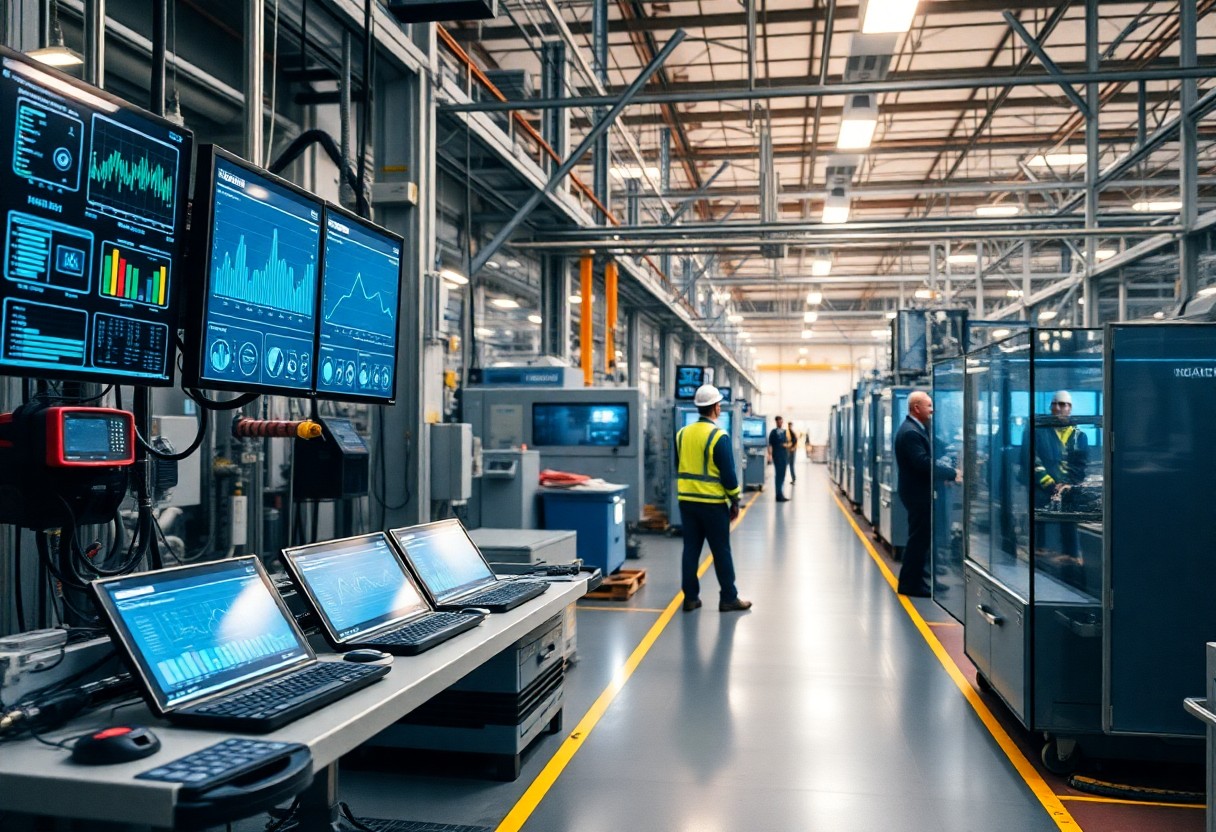
Edge computing is reshaping various sectors by enabling real-time data processing and analytics, fundamentally altering how companies operate and deliver services. Industries like manufacturing, healthcare, and smart cities are leveraging this technology to respond faster to changing demands, enhance decision-making, and optimize operations. For example, companies can instantly gather insights from production lines to minimize downtime, while city planners utilize real-time data to improve urban infrastructure and public services.
Edge Computing in Healthcare: Instantaneous Data for Critical Care
In healthcare, edge computing facilitates immediate access to patient data, which is vital during emergencies. Medical devices equipped with edge capabilities can analyze data on-site, allowing doctors to make swift, informed decisions based on accurate, real-time information. This results in improved patient outcomes and significantly enhances the efficiency of care delivery within hospitals.
Smart Cities: Enhanced Urban Management Through Edge Technology
Smart cities rely on edge computing to process data generated by numerous IoT devices, improving urban planning and management. Integrating edge technology enables city officials to monitor traffic patterns, manage public transportation schedules, and optimize energy use efficiently, all in real-time. This data-driven approach not only enhances the quality of life for residents but also supports sustainable urban development.
For instance, cities like Barcelona have implemented edge computing systems to monitor environmental conditions, traffic flow, and energy consumption. By analyzing data from sensors at the edge, city planners can adjust traffic lights in real-time based on congestion levels, reducing wait times and emissions. Furthermore, this technology allows for predictive maintenance, identifying infrastructure issues before they escalate, ultimately saving costs and enhancing urban resilience.
The Future of Edge Computing: Trends and Predictions
As technology continues to evolve, edge computing is set to reshape industries significantly. You can expect to see a surge in adoption across sectors such as IoT, autonomous vehicles, and smart cities, driven by the increasing volume of data generated at the edge. The integration of advanced analytics and artificial intelligence will enable real-time decision-making, enhancing user experiences and operational efficiency. Innovations in network infrastructure, particularly with 5G, will further propel edge computing’s capabilities, positioning it as a cornerstone for future digital transformations.
Integration with Emerging Technologies (AI, 5G, and More)
The integration of edge computing with emerging technologies like AI and 5G will redefine how data is processed and utilized. You will experience faster data analysis and decision-making at the source, reducing latency and bandwidth consumption. As AI algorithms become more sophisticated at the edge, applications such as predictive maintenance and real-time monitoring will become standard in various sectors, from manufacturing to healthcare, enhancing efficiency and driving innovation.
Potential Challenges and Ethical Considerations
Implementing edge computing comes with a range of challenges and ethical considerations. You may face issues concerning data privacy, security vulnerabilities, and the complexities of managing distributed systems. Directly processing data at the edge raises questions about compliance with regulations, such as GDPR, while ensuring that data handling practices meet ethical standards is vital for maintaining user trust.
Addressing potential challenges in edge computing requires proactive strategies. You’ll need to establish robust security protocols to protect data from breaches and ensure compliance with regulations that vary by region. Additionally, implementing transparent practices for data usage can strengthen trust with users, helping to navigate ethical concerns effectively. The balance between technological advancement and ethical responsibility will be pivotal as you venture into this evolving landscape.
To wrap up
Taking this into account, edge computing offers you the ability to process data closer to where it’s generated, significantly reducing latency and enhancing performance. By leveraging local processing power, you benefit from faster response times and improved bandwidth efficiency, which is crucial for real-time applications. As you explore the transition from traditional cloud solutions to edge computing, you’ll find that this technology is designed to meet the demands of your data-driven world, enabling smarter and faster decision-making right at the edge.