Eternitech has analyzed the key trends shaping software development as we reach the mid-point of 2025. As a professional in the tech industry, you should be aware of these emerging patterns that can impact your projects and strategies. From the rise of AI-driven solutions to the evolution of agile methodologies, this forecast will equip you with the insights needed to navigate the changing landscape of software development. Stay ahead of the curve by understanding these trends that are influencing your field.
The Rise of AI-Driven Development
The integration of artificial intelligence in software development is transforming the landscape, creating opportunities for increased efficiency and innovation. You can expect AI-driven tools to streamline workflows, improve collaboration, and enhance decision-making processes. As AI capabilities expand, your development teams will gain new insights that lead to more effective coding practices and better-aligned project outcomes.
Machine Learning and Automation in Coding
Machine learning is significantly reshaping coding practices, allowing algorithms to assist developers in writing, reviewing, and optimizing code. By leveraging historical data, you can utilize tools that propose code snippets, detect bugs, and even auto-generate documentation, enhancing productivity and reducing time spent on mundane tasks.
Enhancements in QA Processes through AI
AI’s impact on quality assurance (QA) processes is remarkable, fostering more efficient testing and bug identification. With intelligent testing tools, you can automate routine checks, analyze user behavior, and predict potential defects, resulting in smoother deployments and higher software reliability.
AI-driven enhancements in QA processes allow you to elevate your testing strategies significantly. For instance, using predictive analytics helps you identify areas of high-risk code and focus testing efforts accordingly. Automated visual testing tools like Applitools examine UI components for discrepancies, offering a higher accuracy level than traditional manual testing. With your QA cycle shortened and the risk of overlooked bugs minimized, you can ensure your software meets users’ expectations before deployment. As these technologies evolve, so too will your ability to deliver quality software at speed, reinforcing your position in an increasingly competitive market.
The Shift Towards Agile Methodologies
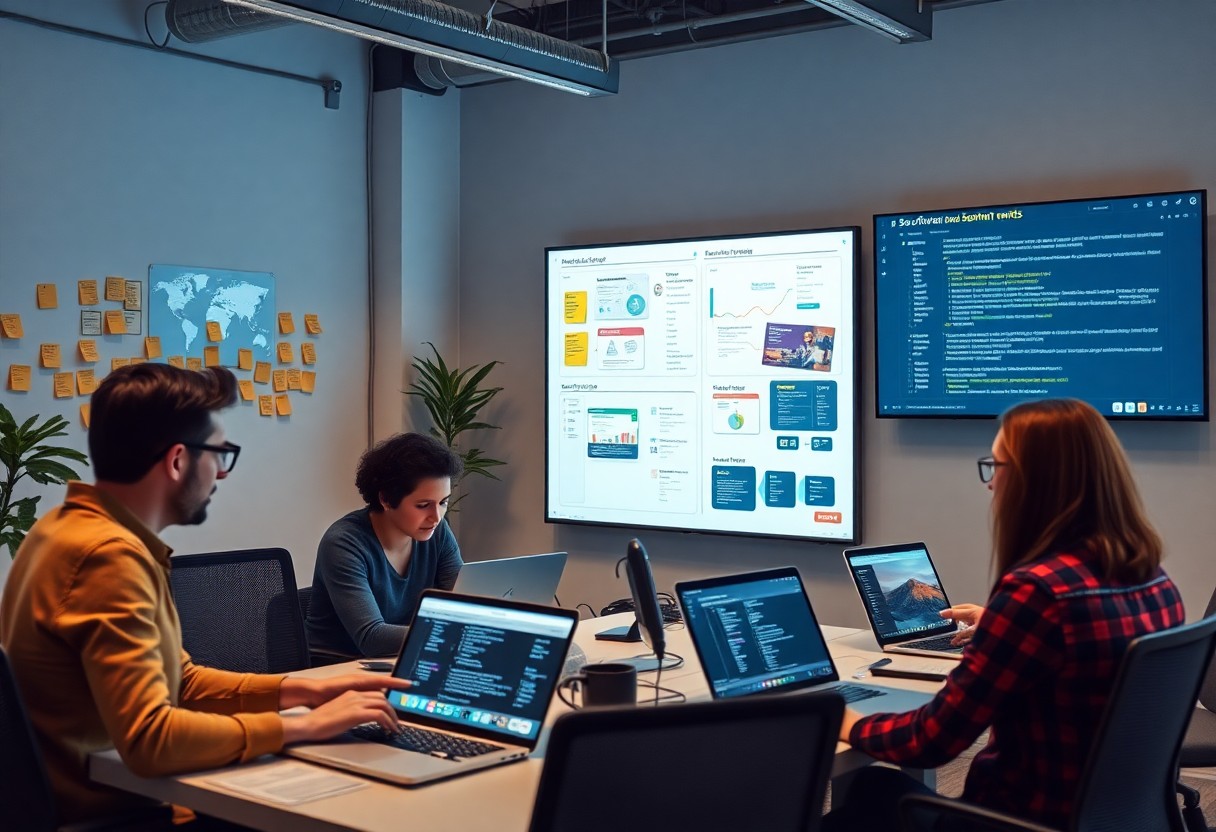
In 2025, a significant movement towards agile methodologies is exemplifying how software teams are striving for increased flexibility and collaboration. Organizations are recognizing that traditional waterfall models can impede innovation and responsiveness to market changes. Adopting agile frameworks empowers you to deliver incremental improvements and adapt swiftly to customer feedback, aligning your output with real-time user expectations.
Embracing Continuous Integration and Delivery
Your team is likely embracing continuous integration (CI) and continuous delivery (CD) practices to streamline development pipelines. This shift not only automates testing and deployment processes but also reduces lead times significantly. Statistics show that organizations practicing CI/CD can deploy updates up to 30 times more frequently than those using traditional methods, enabling a faster time-to-market for new features.
The Role of Feedback Loops in Rapid Development
Feedback loops play a pivotal role in refining your development process, enhancing product quality and user satisfaction. Regularly collecting input from stakeholders allows for immediate adjustments, ensuring your work resonates with user needs and market demands. This iterative approach fosters a culture of continuous improvement, where teams feel empowered to innovate and respond to changes proactively.
When feedback is incorporated into your development cycle through various channels—like user testing sessions, analytics, and customer surveys—you’re able to identify pain points early on. Research shows that organizations that establish effective feedback loops can reduce feature failure rates by up to 50%. This proactive method keeps you aligned with evolving user needs and enhances the overall quality of your software development projects, making your team more resilient against market fluctuations.
Decentralized Software Innovation
Decentralized software innovation is shaping the future by empowering developers to create applications that are not tethered to traditional centralized infrastructures. You’ll notice an increase in the development of decentralized applications (dApps), which leverage blockchain technology to enable trustless interactions and peer-to-peer transactions. This paradigm shift encourages a collaborative ecosystem, where innovation flourishes through community-driven efforts and transparency.
The Impact of Blockchain on Development Paradigms
Blockchain is dramatically altering your development paradigms by introducing concepts of transparency and immutability. This technology allows developers to build systems that reduce reliance on intermediaries, leading to increased security and lower operational costs. You’ll see how many industries are utilizing smart contracts to automate processes, which not only streamlines workflows but also minimizes the risk of human error.
Open Source Collaboration in 2025
By 2025, open source collaboration will be more than just a trend; it will be a core component of software development strategies. Developers will harness collective intelligence from global communities to solve complex problems more efficiently, driving innovation forward. This cooperative spirit will enhance knowledge sharing and improve code quality across the board.
Open source projects will thrive on platforms like GitHub and GitLab, where contributions from diverse developers can lead to unparalleled advancements. Expect to see increased funding for open source initiatives, supported by corporate sponsorships and government grants. As you engage with the community, you’ll benefit from a variety of perspectives and skill sets, leading to faster iterations and higher-quality software. The collaborative nature of open source fosters an environment where learning and growth become priorities, ultimately leading to a more robust tech ecosystem.
Cybersecurity: The New Priority
Adjusting to the evolving landscape of cyber threats, organizations in 2025 recognize cybersecurity as a top priority. High-profile breaches and increased regulatory pressure drive a more proactive approach to protecting sensitive data. As you build your software, consider how embedding robust security measures not only safeguards against threats but enhances overall trust and reliability among users, ensuring business continuity and compliance.
Integrating Security in the Development Lifecycle
Incorporating security early in the development lifecycle has become a standard practice. You should adopt a DevSecOps approach, where security is embedded into every phase, from design to deployment. This shift enhances your capability to identify and mitigate vulnerabilities early on, reducing the risk of costly post-deployment fixes and fostering a culture of security awareness within development teams.
The Evolution of Threat Modeling Practices
Trending in 2025 is the evolution of threat modeling practices, which have transformed from static assessments to dynamic, iterative processes. You can leverage various frameworks such as STRIDE and PASTA, systematically identifying potential threats and vulnerabilities in your applications. This proactive stance not only addresses traditional threats but also adapts to emerging risks, aligning with the fast-paced nature of software development.
The integration of real-time threat intelligence into threat modeling is reshaping how teams assess risks. By incorporating data from security incidents, you gain insights into current attack vectors and user behaviors. This adaptation allows for more granular modeling, prioritizing threats that align with your specific architecture and user patterns. As a result, you can anticipate potential vulnerabilities and respond more effectively to the changing threat landscape, driving not only security but innovation throughout the software development process.
The Human Factor: Upskilling Developers
As the tech landscape evolves, the emphasis on upskilling developers has never been stronger. With emerging technologies like AI, machine learning, and cloud computing reshaping the industry, your ability to adapt through continuous learning becomes imperative. Companies are investing in comprehensive training programs that foster both technical and interpersonal skills, ensuring you’re not only proficient in coding but also equipped to collaborate effectively within teams.
Trends in Continuing Education and Certifications
Continuing education and certification programs are seeing significant growth, with more developers opting for specialized training in areas such as DevOps, cybersecurity, and data science. Platforms like Coursera and LinkedIn Learning offer flexible options to fit various schedules, allowing you to enhance your skillset and validate your expertise with recognized credentials. Many organizations even support these endeavors with tuition reimbursement initiatives, making ongoing education an integral part of career development.
The Emergence of Soft Skills as Essential
Soft skills are gaining importance alongside technical proficiency in the software development arena. Communication, teamwork, and problem-solving abilities are often what set successful developers apart. Enhanced collaboration requirements in agile environments necessitate not only technical skill but also the ability to articulate ideas clearly and work harmoniously with diverse teams. This shift emphasizes the value of workshops and mentorship programs aimed at developing emotional intelligence and interpersonal skills. As a result, the most effective software developers evolve into well-rounded professionals capable of driving projects forward and fostering innovative solutions.
To wrap up
So, as you consider the insights from Eternitech’s 2025 Mid-Year Software Development Trends Forecast, it’s necessary to align your strategies with emerging technologies and methodologies. Staying informed on trends such as AI integration, low-code development, and agile practices will empower you to enhance your software projects and maintain a competitive edge. By embracing these shifts, you can ensure your development processes are optimized for success in this rapidly evolving landscape.