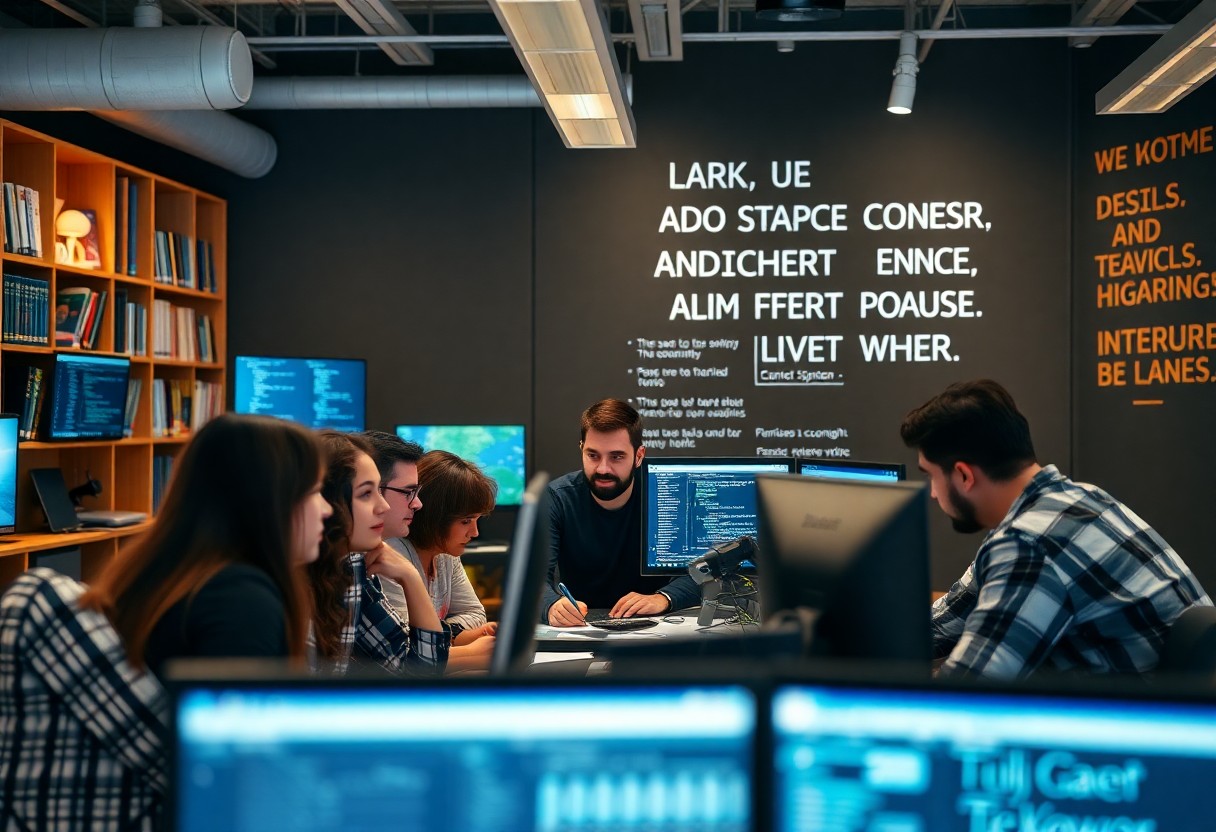
Over the ever-evolving landscape of web development, you must prioritize continuous learning to stay ahead of the curve. Embracing new technologies and techniques not only enhances your skill set but also ensures your relevance in a competitive job market. As the web transforms, neglecting ongoing education can lead to obsolescence in your career. By committing to lifelong learning, you open doors to innovation and improved problem-solving, ultimately positioning yourself for greater opportunities and success in the industry.
1. Web technologies evolve rapidly; staying updated enhances job security.
2. Continuous learning boosts problem-solving and coding efficiency.
3. Keeping skills fresh attracts better career opportunities and projects.
4. Learning new frameworks improves adaptability and project versatility.
5. Networking during learning expands professional connections and insights.
6. Embracing lifelong learning fosters innovation and personal growth.
The Evolving Landscape of Technology
The pace of technological advancement creates an ever-changing environment within web development, where new tools and techniques emerge frequently. Understanding these shifts is vital for your ability to adapt and thrive in your career. You’re not just building websites but also standing at the intersection of innovation and user experience, making it necessary to evolve alongside the tools that shape your craft.
The Rapid Pace of Change in Tools and Frameworks
Every year, a multitude of frameworks and libraries are released, each promising improved performance and functionality. For instance, React, Angular, and Vue have transformed front-end development, while back-end technologies like Node.js and Deno continually change the server landscape. Familiarity with these tools can greatly impact your project outcomes and your attractiveness to potential employers.
Importance of Staying Updated with Industry Trends
Following industry trends directly influences your ability to create effective and modern solutions. Staying informed about movements like the rise of JAMstack or static site generators can help you implement the best practices that increase site performance and boost SEO rankings. Tools like Google Trends can reveal what’s hot in your field, enabling you to make informed decisions about your continued education.
Being in tune with these trends isn’t merely a matter of professional development; it significantly impacts your marketability. Engagement with platforms like GitHub, attending conferences, or even participating in online forums can sharpen your awareness of which technologies are gaining traction. By aligning your skills with the latest trends, you position yourself as a forward-thinking developer ready to tackle the challenges of tomorrow. Embrace the knowledge gained from these sources as it can directly lead to better job prospects and your overall growth in the field.
Bridging the Skills Gap: Why Learning Never Stops
The web development landscape demands a continuous commitment to learning as technologies and practices evolve. Developers who prioritize ongoing education not only enhance their skills but also improve their adaptability in a competitive job market. Engaging in online courses, attending workshops, and participating in tech communities can significantly enhance your expertise and keep your portfolio fresh. This relentless pursuit of knowledge positions you to tackle complex challenges, ensuring that your career never stagnates.
Identifying Critical Skills for Modern Web Development
Focusing on core competencies is foundational for any web developer. Languages such as JavaScript, HTML, and CSS remain necessary, but proficiency in frameworks like React or Vue.js is increasingly vital. Understanding concepts like responsive design and version control via Git can further differentiate you in the job market. Evaluating industry demands regularly will allow you to adapt your skillset and remain relevant.
The Impact of Emerging Technologies on Career Opportunities
Emerging technologies such as AI, machine learning, and progressive web apps are reshaping the web development landscape, creating new career opportunities. You can leverage these advancements to expand your skill set and open doors to innovative roles. As more companies integrate these technologies into their operations, they seek developers with the knowledge and adaptability to harness their potential.
For instance, the rise of AI-driven development tools allows developers to automate mundane tasks, streamlining the coding process. This trend not only increases productivity but also highlights the demand for developers who understand how to implement these technologies effectively. As companies prioritize digital transformation, possessing skills in AI integration or familiarity with machine learning algorithms can position you favorably in job applications. Staying informed about these trends enables you to align your learning goals with market demands, ensuring your career trajectory remains upward. Additionally, being an early adopter of these capabilities can lead to roles in cutting-edge projects, enhancing your job satisfaction and professional growth.
Learning Channels: Maximizing Your Resources
Exploring various learning channels is important for expanding your web development knowledge. In addition to traditional methods, digital platforms like online tutorials, coding bootcamps, and MOOCs offer a wealth of resources that you can tailor to your specific needs. Engaging in multiple formats—videos, hands-on projects, and reading materials—ensures a more comprehensive understanding of complex topics. Each channel presents unique advantages, allowing you to leverage them according to your learning style and schedule.
Online Courses vs. Traditional Education
Online courses provide flexibility that traditional education often lacks, allowing you to learn at your own pace and research into specific areas of interest. With platforms like Udemy or Coursera, you can access a variety of subjects from industry experts, often at a fraction of the cost. However, traditional education typically offers a structured curriculum and networking opportunities that can be hard to replicate online, making each option valuable depending on your personal goals.
Networking and Community Learning Opportunities
Engaging with a community can enhance your learning experience significantly. Joining local meetups, attending conferences, and finding online forums like Stack Overflow or GitHub can connect you with like-minded individuals and professionals who can offer insights and feedback on your work. Networking within these spaces allows you to share knowledge, seek mentorship, and stay informed about industry trends.
Investing time in networking and community-based learning enriches your education by placing you in environments that promote collaboration and support. For example, working on open-source projects not only hones your coding skills but also introduces you to experienced developers who can guide your career path. Actively participating in such communities can lead to job opportunities and expand your professional network, reinforcing your growth as a developer.
Practical Exercises: Applying What You Learn
Engaging in practical exercises solidifies your understanding of web development concepts. Hands-on experience helps bridge the gap between theory and practice, allowing you to apply newly learned skills in real scenarios. Whether it’s through coding challenges, building projects, or debugging exercises, you’ll gain deeper insights and improve your problem-solving abilities. Taking this approach not only reinforces knowledge but also enhances your confidence as you navigate complex coding environments.
Building Real-World Projects to Enhance Skills
Creating real-world projects acts as a powerful learning tool in your web development journey. These projects provide opportunities to implement various technologies, frameworks, and languages, tailoring your learning experience to your interests and career goals. By tackling specific problems and developing viable solutions, you not only reinforce your coding skills but also cultivate a portfolio that showcases your abilities to potential employers.
Contributing to Open Source and Collaborative Learning
Open source contributions expose you to industry standards while fostering collaboration with experienced developers. By participating in projects with a community focus, you learn best practices and coding conventions, deepening your understanding of complex systems. Additionally, receiving feedback on your contributions sharpens your skills and reinforces the importance of teamwork. Over 60% of software developers have contributed to open source, highlighting its value in professional growth.
Incorporating open source work into your learning routine can significantly enhance your technical abilities and network. Engaging with platforms like GitHub enables you to collaborate on diverse projects, from small bug fixes to extensive feature implementations. As you contribute, you inevitably encounter various coding challenges, pushing you to research and explore solutions that you may not have encountered in your projects. This integrative experience enriches your skill set and connects you with a community that values sharing knowledge and mentorship, a pivotal component of your growth as a web developer.
Mindset Matters: Cultivating a Growth-Oriented Approach
Your mindset shapes how you approach learning in web development. By adopting a growth-oriented perspective, you view challenges as opportunities for improvement rather than obstacles. This shift can enhance your problem-solving abilities and lead to innovative solutions. Embrace the idea that your skills can always be refined, making room for continuous advancement in your career.
Overcoming the Fear of Failure in Learning
Strategies for Sustained Motivation in Continuous Learning
Staying motivated can be challenging in a field that evolves so rapidly, but establishing clear goals and regularly evaluating your progress keeps your energy high. Consider joining coding communities, participating in hackathons, or setting up study groups with peers to foster regular interaction and shared learning experiences.
Immersing yourself in a network of fellow developers can significantly boost your motivation. Setting specific, measurable, and attainable goals—such as completing a project within a certain timeframe—enables you to track your achievements. Engaging regularly with online platforms like GitHub, where you can showcase your projects or collaborate with others, keeps enthusiasm alive. Additionally, incorporating new technologies or frameworks into your skill set, like experimenting with React or exploring serverless architecture, fuels your excitement for learning and ensures you remain at the forefront of industry trends.
Conclusion
On the whole, embracing continuous learning in web development is crucial for staying relevant and effective in your role. As technology evolves at a rapid pace, you must adapt to new tools and methodologies to enhance your skill set and optimize your projects. By prioritizing your education and staying informed about industry trends, you equip yourself to tackle challenges confidently and create impactful solutions. Investing in your growth not only benefits your career but also enriches your ability to contribute meaningfully to the web development community.